A smoky, dark honey became a novelty culinary sensation in Philly a few years ago for its unique flavor.
The bug we have to thank for it? The spotted lanternfly, an invasive insect that harms trees and grapevines. But a local beekeeper says this special honey may not be around much longer.
Finding the Source of a Mysterious Scent
Don Shump of the Philadelphia Bee Co. first stumbled upon this unusual honey back in 2020 at a bee removal, a service his company provides that involves taking unwanted hives out of buildings, houses, and trees. He was taken back by the atypically smoky aroma of the honey, and remembers exclaiming, “Who’s been eating maple bacon!?”
He sent a sample of the honey to Penn State, who tested it along with other beekeepers' honey from the area. Their tests, Shump said, revealed spotted lanternflies were responsible.
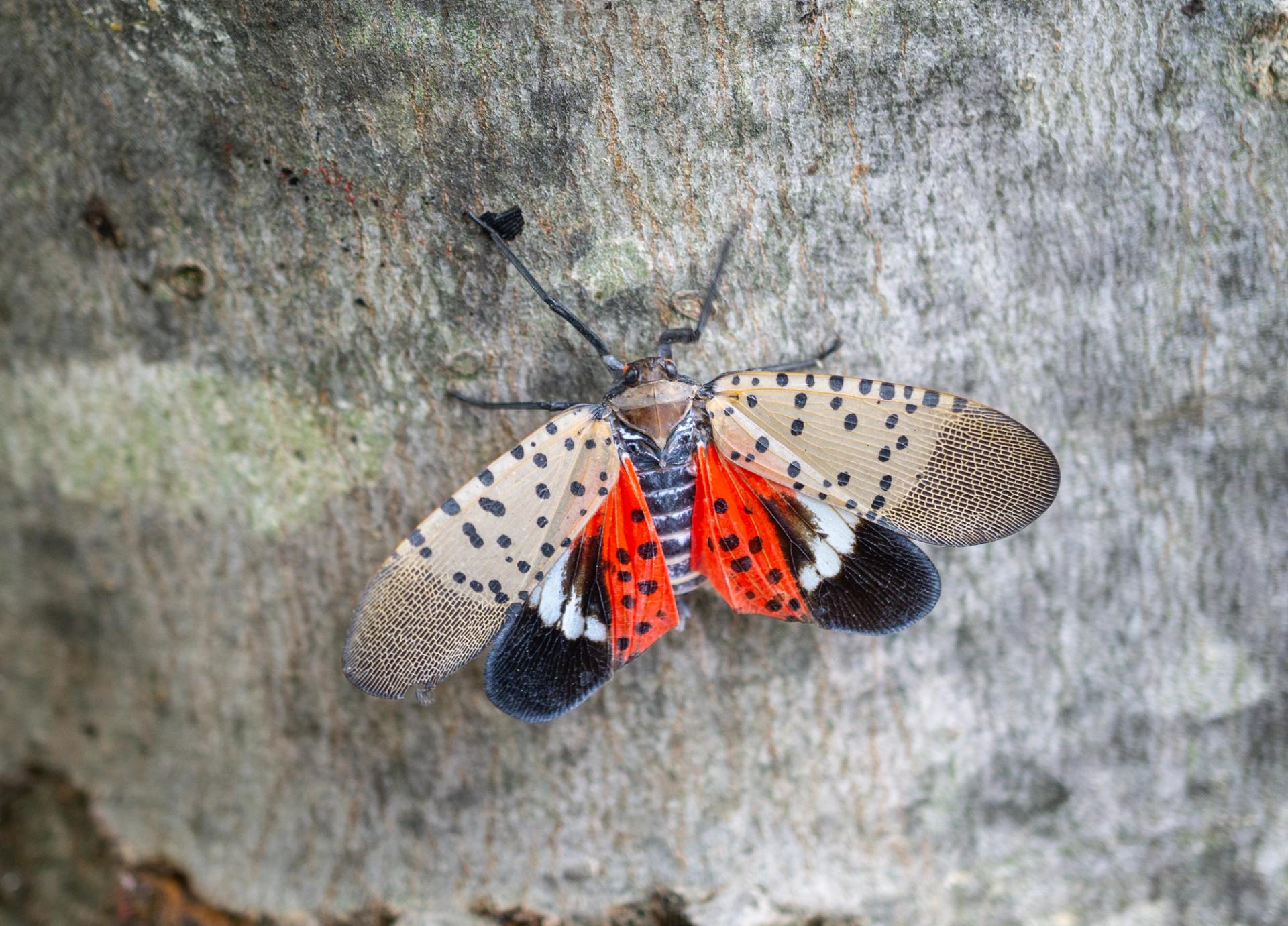
Spotted lanternflies feed on trees like maples and the tree-of-heaven, leaving behind a sticky residue bees can collect. (arlutz73/Getty Images.)
How? The bugs essentially tap trees for sap, much like humans extract sap from a maple tree to make syrup, Shump explained. The spotted lanternfly then excretes a sugary liquid called honeydew onto the bark of the tree, where bees then collect it. They bring it back to the hive, and it creates a distinct flavor profile that can’t be found in traditional floral honey.
The invasive spotted lanternfly made its way from China all the way to Berks County back in 2014. You probably remember when squishing these gray bugs with red underwings was all the rage. After the Pennsylvania Department of Agriculture’s kill-on-sight orders came out, the cultural phenomenon of killing these insects climaxed with many halloween costumes and even an app to help track how many bugs you smashed.
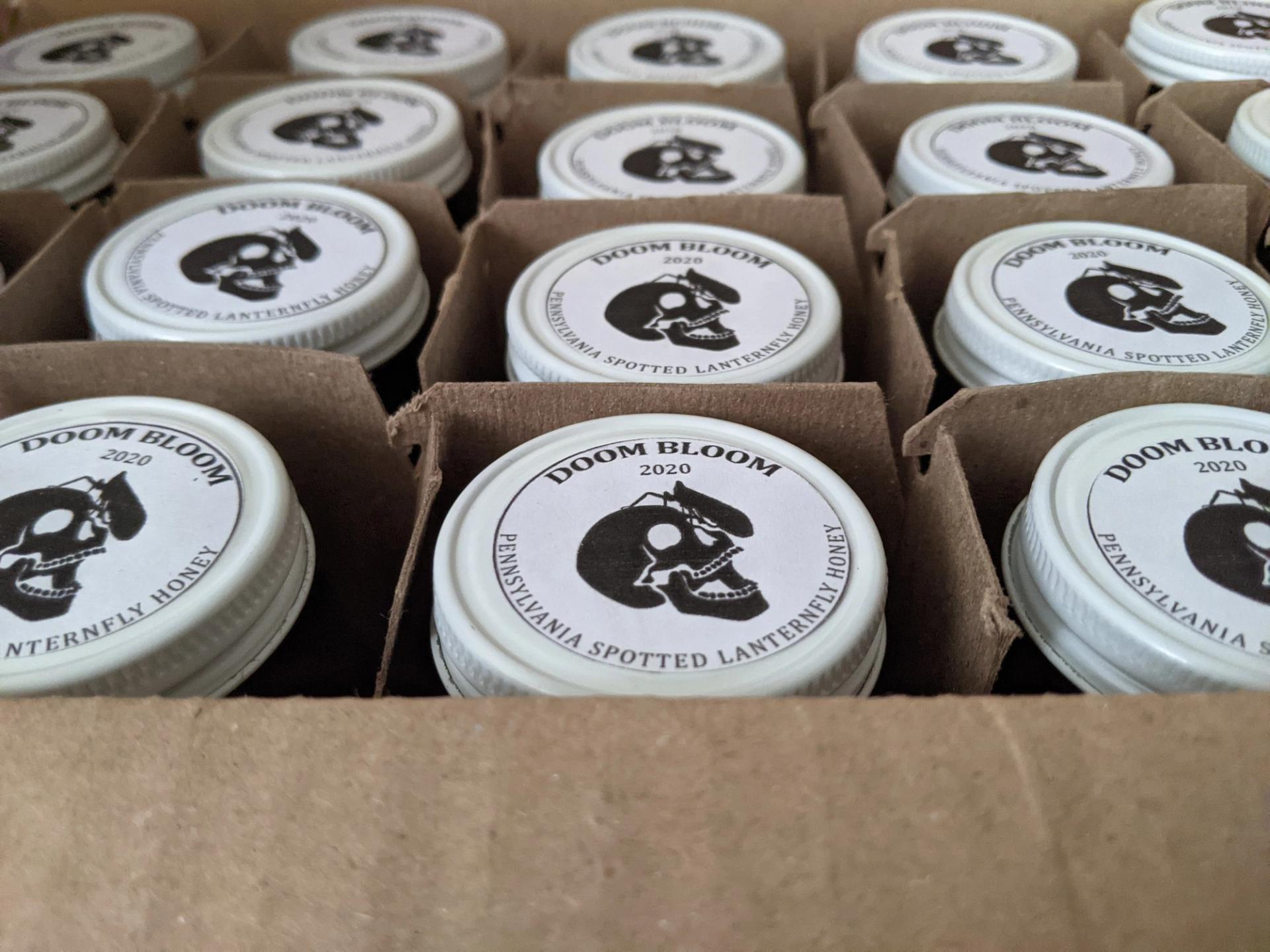
While they usually don’t get much love, Shump has these insects to thank for his now internationally sought-after DoomBloom Spotted Lanternfly Honey.

Philly-based beekeeper Don Shump first debuted his spotted lanternfly honey at the Christmas Village in Philadelphia in 2020. (Philadelphia Bee Co.)
Fewer Lanternflies = Less DoomBloom
In recent years, the collective fixation on spotted lanternflies has seemed to fade, along with the reported number of these bugs. A Guardian article from last year noted that there were 150,000 reported lanternfly sightings in Pennsylvania in 2019, but 2021 saw just 61,000 sightings. Scientists aren’t sure whether this is truly reflective of a decline in PA’s spotted lanternfly population, or just a drop in people’s willingness to report them.
Regardless, Shump said it’s been harder to find this honey in the hives all over Pennsylvania he sources from. “When the lanternflies were everywhere, it was much easier to procure,” he said. “But now our sources just literally dried up.”
Shump acknowledged that these bugs are bad for the environment and need to go, but said he would miss the honey they created.
🍔🍯 If you want to give this honey a try while these bugs are still around in Pennsylvania, Shump suggested ringing in the spotted lanternfly season this summer with a burger recipe made with the smoky honey.