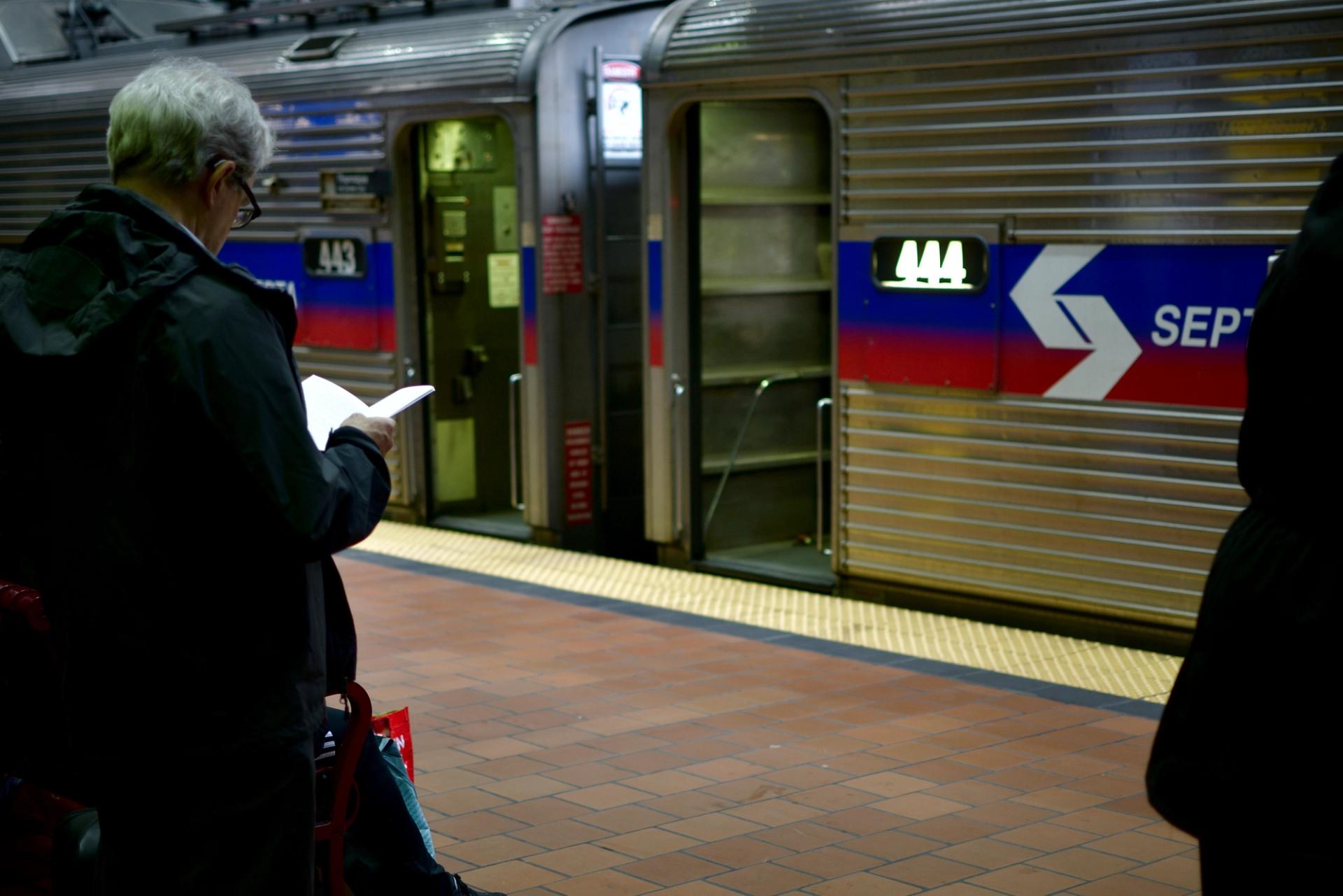
As the June 30 deadline approaches for Pennsylvania’s legislature to pass the next state budget, SEPTA’s long forewarned “death spiral” could become reality due to a $213 million budget deficit. This spiral would lead to severe changes in SEPTA’s services, including the elimination of 50 bus routes and five Regional Rail lines, the closure of 66 stations, a 9 p.m. curfew, and a 21.5% fare increase.
How did it get to such a breaking point?
Let’s rewind. Before SEPTA was even a thing, the Southeastern Pennsylvania Transportation Compact was signed in 1961, consolidating private rail lines in the region. SEPTA was created in 1964, but for decades SEPTA relied on unpredictable funding streams that primarily came from the state or federal governments.
In 2013, Governor Tom Corbett signed Act 89 into law. The transportation bill funded infrastructure projects throughout Pennsylvania, including public transportation. While that helped SEPTA get through a backlog of maintenance upgrades, which had racked up to $5 billion in 2014, the law expired after ten years and was not renewed.
Then came funds that SEPTA received during the pandemic. SEPTA received a $634 million bailout after revenue plummeted during the early pandemic and an additional $252 million in federal aid. The aid staved off potential service cuts and layoffs, but now the money has depleted.
Last year, SEPTA had warned that without the funding it needed, fares would increase 30%. That did not come to fruition as Governor Josh Shapiro rerouted $153 million in federal highway funding toward the agency. While that halted the hike, it was a temporary fix and SEPTA had to save money by scrapping its 50-cent discount for Key Card users.
Pennsylvania Republicans haven’t been sold on the idea of dedicated state aid for public transportation without a guaranteed funding source, like a tax on so-called “skill games”. So Shapiro’s proposal calls for increasing the portion of the sales-and-use tax for public transit. Under this proposal, SEPTA could receive $167,732,232 in additional funds.
State law prohibits counties from implementing local taxes to raise funds for public transit, limiting how much cities like Philly can step in to help fill the void. State Rep. Joe Hohenstein introduced a bill to amend this, but it did not get a vote in the legislature. So SEPTA is primarily reliant on the state for additional aid.
The lack of funding isn’t just a SEPTA issue. On the other side of the state, Pittsburgh Regional Transit is also at risk of severe cuts to its transit system due to the same issues.
Pennsylvania isn’t the only state facing transit funding issues. Illinois recently passed its state budget and didn’t give the Chicago Transit Authority additional funding, which riders fear could foreshadow what happens here.
What can I do?
SEPTA has a form to send a message to Shapiro and your state senator and representative.
The activist group Save SEPTA also has a handy tool to contact elected officials to urge them to fund SEPTA.
You can utilize Transit for All PA’s toolkit for scripts, flyers, and tips on how to communicate with legislators.
Fishtown Neighbors Association, East Kensington Neighbors Association, and the Olde Richmond Civic Association are hosting a day of action at the Frankford Brewing Company on June 21 from 11 a.m. to 2 p.m. Attendees can phone bank and write letters to elected officials.