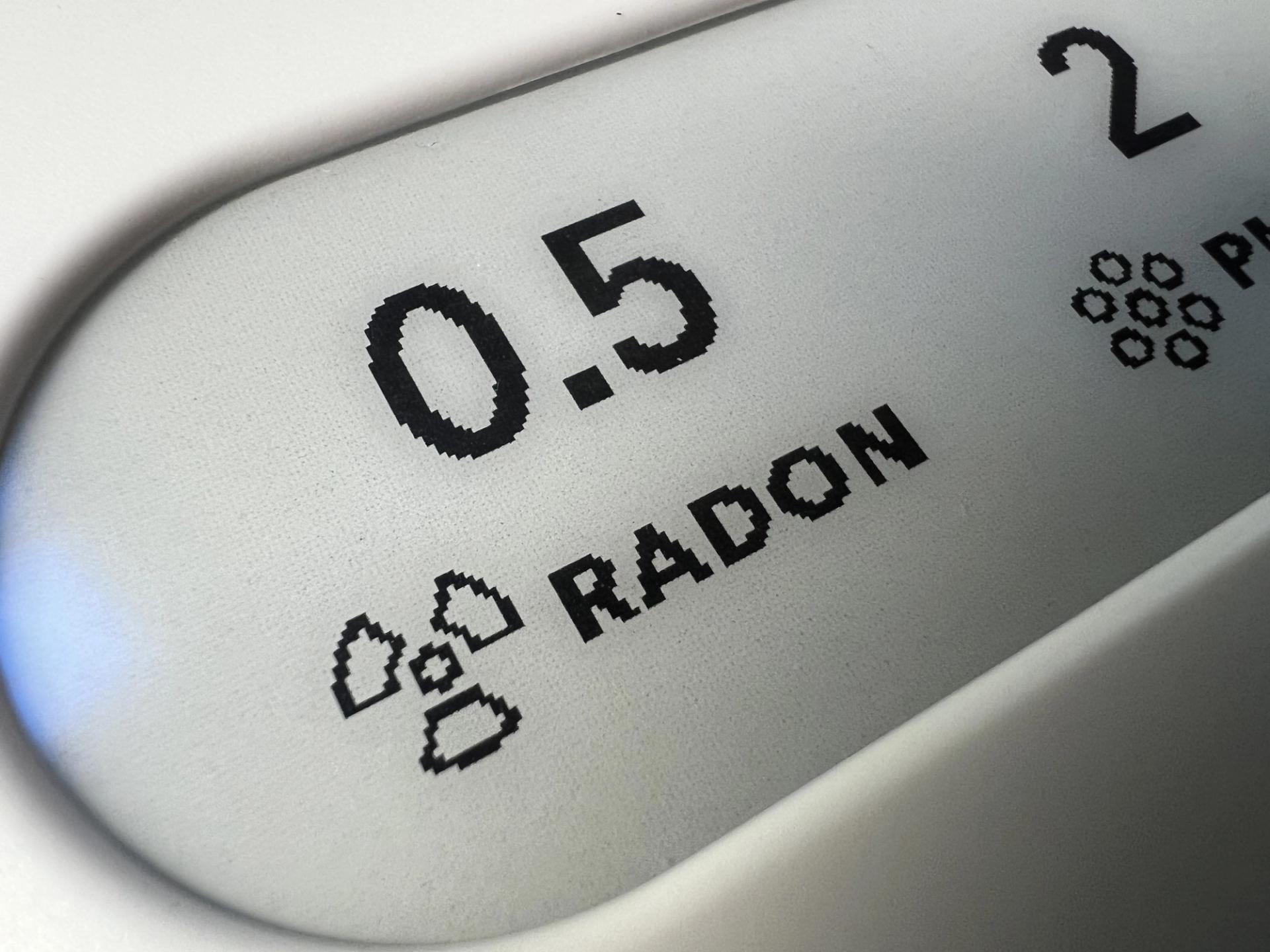
January is National Radon Action Month, when the U.S. Environmental Protection Agency encourages residents to test their homes for the gas. In Pennsylvania nearly 40% of homes have radon levels above the EPA’s guidelines. But what exactly is radon and why does it matter?
What is radon?
Radon is an odorless, tasteless, radioactive gas. According to the World Health Organization, radon is produced by the decay of uranium, which is found in rocks and soils. When radon escapes into the air more radon particles are produced as it decays further, contaminating airways. It can enter inside buildings through cracks in the foundation. While radon concerns are primarily airborne, it has been found in drinking water as well. Pennsylvania’s geology, climate, and natural gas wells contribute to radon’s presence in the state. Research has also linked fracking to the increase of the gas in homes.
Why can radon be dangerous?
Because of the gas’ odorless, tasteless nature, it may be difficult to identify whether your home or building is contaminated with radon. Radon is the second leading cause of lung cancer behind smoking, according to the American Lung Association. If you smoke and are also regularly exposed to radon, that puts you at even greater risk of lung cancer. About 21,000 people who were exposed to radon die from lung cancer each year, including 2,900 who were nonsmokers. Radon levels measured above 4 picocuries per liter (pCi/L) are considered cause for concern.
How much radon is in Philadelphia?
This map of radon zones identifies which Pennsylvania counties have the highest potential for radon risk. Philadelphia is designated as Zone 3, the lowest risk level, while surrounding Bucks, Montgomery, Chester, and Delaware counties are Zone 2. The EPA still emphasizes individual testing of buildings for radon risk, no matter the zone designation.
You can use this tool to check the reporting of radon levels by ZIP code. For example although the average level of radon inside basements in the 19134 ZIP code (Kensington, Port Richmond) was recorded at 1.9 pCi/L, the max result was 112.4 pCi/L, way above guidelines.
How can I protect myself?
There are several measures you can take to protect yourself from radon:
- Request a free test kit from the American Lung Association, or purchase a test kit from a hardware or home improvement store.
- Find certified testers through the state’s Department of Environmental Protection.
- If high levels are confirmed in your building, hire a professional to seal any cracks and install a radon mitigation system.
- Join the Reducing Outdoor Contaminants in Indoor Spaces' next Low Cost Monitoring Project cohort. Although it primarily targets Southwestern Pennsylvanians, ROCIS accommodates a limited number of Pennsylvanians outside that region.