Spring and summer are great times of the year to enjoy the outdoors around Philadelphia, but hikers should be aware of the risk of getting tick bites.
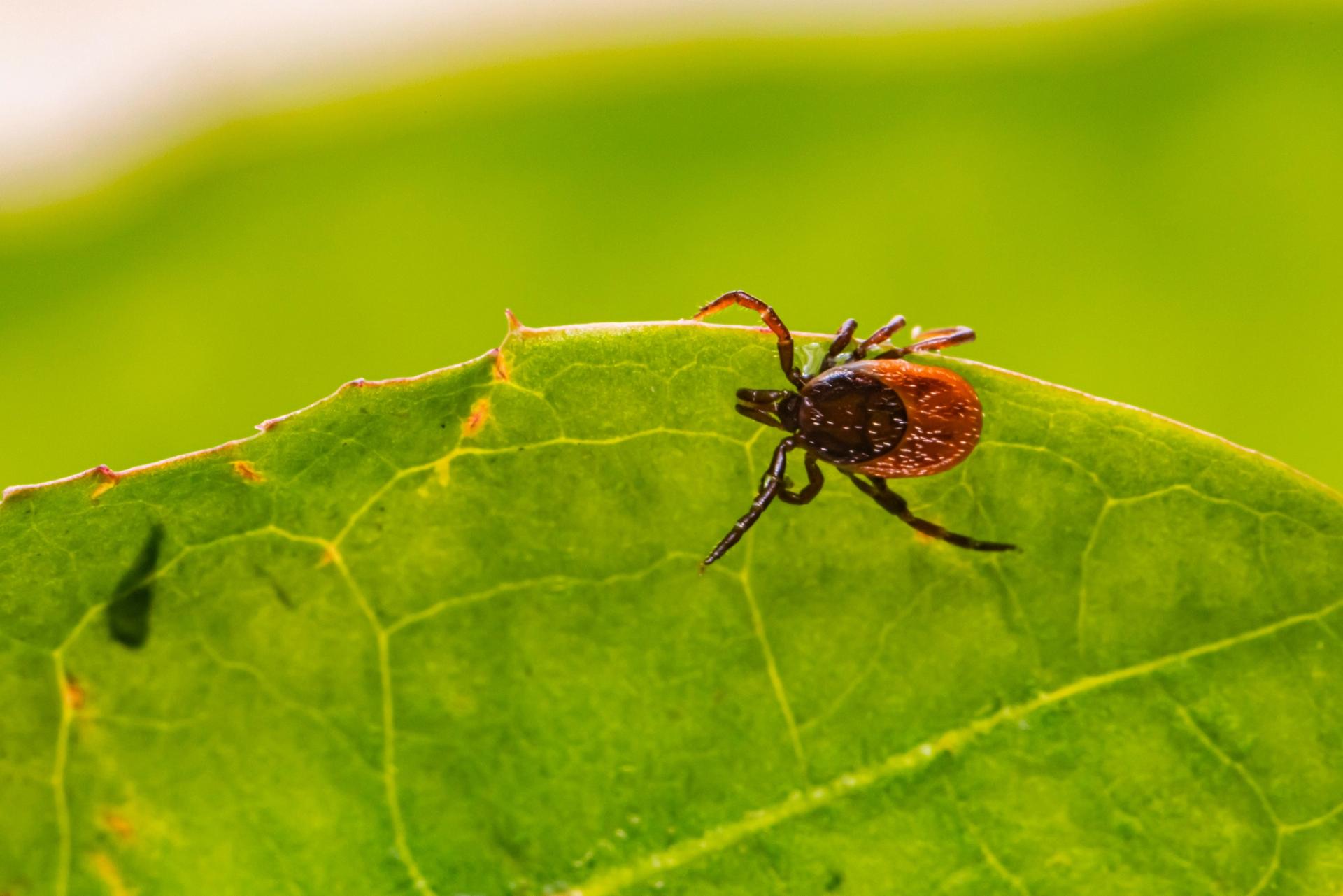
Ticks are small, bloodsucking parasites in the same animal family as spiders. They can attach themselves to a host to consume blood, possibly transferring diseases in the process.
Pennsylvania is home to more than 25 types of ticks, but the most commonly found ticks in Philly are the blacklegged, lone star, and American dog ticks.
Blacklegged ticks, or deer ticks, are known to spread Lyme disease, which is the most common. American dog ticks can spread Rocky Mountain Spotted Fever, a potentially fatal bacterial disease that causes a rash. Lone star ticks can also carry this and have been linked to a disease that causes a meat allergy, but more research is needed on the connection.
How To Identify a Tick Bite
Tick bites aren’t typically itchy or painful, but the bite site can become red and swollen. If a tick is still attached, you may see a black speck the size of a poppy or apple seed, depending what stage of life the tick is in. A bull's-eye-like rash may be a sign of Lyme disease.
How To Protect Yourself
Ticks like to hang out in shady, moist environments. If you’re hitting the trails or any grassy area:
- Wear clothing that covers any exposed skin.
- Tuck your pants into your shoes.
- Walk along the center of trails and avoid overgrown areas.
- Treat your clothing afterwards with permethrin.
- Toss your clothes into the dryer for about 10 minutes to kill any potential ticks.
- Scan your body for potential ticks, especially between the legs, under the arms, in the belly button, and your hair.
What To Do if You or a Pet Is Bit
Remove the tick by pulling as closely from the point of contact as possible, preferably with tweezers. Clean the infected area with rubbing alcohol or soap. Don’t crush it with your bare fingers, and properly dispose of it by placing it in a sealed container, wrapping it in tape, or putting it in alcohol. Monitor the area for signs of an infection, like a rash or blisters. If you have a fever or other flu-like symptoms, seek medical attention.