Note: Adapted for Philly from an article from the Hey Pittsburgh newsletter. Lea en español.
Since taking office in January, President Donald Trump has made immigration enforcement and deportation a priority, setting arrest quotas nationwide and causing a growing sense of panic among immigrant communities in Pennsylvania.
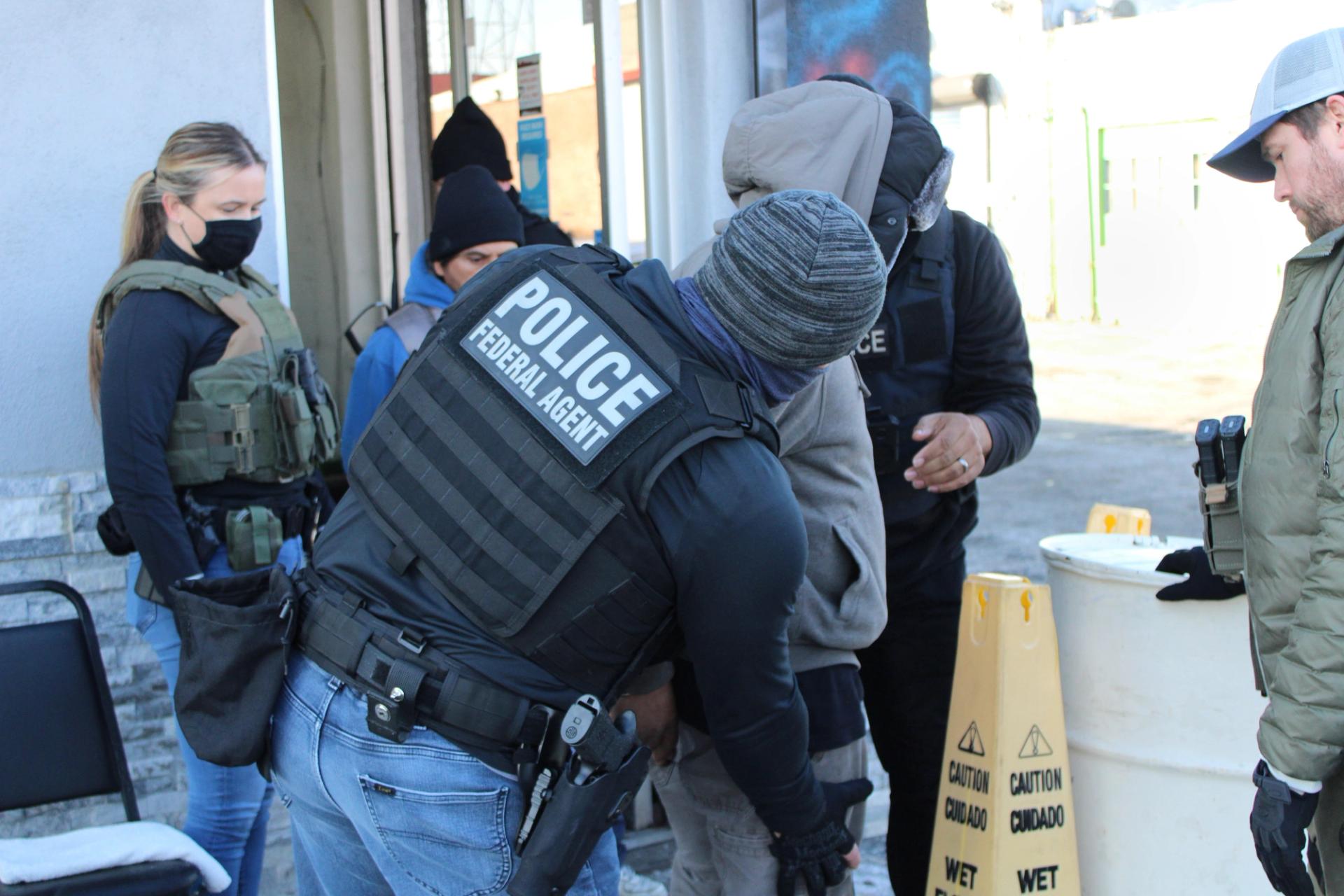
City Cast Pittsburgh spoke to Vanessa Stine, senior staff attorney at the ACLU of Pennsylvania, to learn what happens during an Immigration and Customs Enforcement stop or raid, what rights immigrants have regardless of their legal status, and how bystanders can help during an ICE encounter.
What To Do If…
ICE Stops You on the Street
- ICE officers can’t detain someone on the street without a legal reason.
- If an ICE officer stops you and starts asking questions, ask if you are free to leave.
- If the officer says yes, walk away.
- If the officer says no and asks about your immigration status, you can exercise your right to remain silent. Say, "I am going to remain silent," and don't answer any questions.
- If you have lawful immigration status and ICE asks for proof like a green card, you have to give it to them if you're carrying it with you.
ICE Knocks On Your Door
- ICE is not allowed to enter your house without a judicial warrant signed by a judge, so do not automatically open your door.
- Ask the officers to show you the warrant by sliding it under your door or holding it up against the window.
- Check to make sure they have the correct type of warrant. It should say “United States District Court” at the top and be signed by a judge. The judge’s title will be listed below the signature.
- The officers may show you a different kind of warrant, called an administrative warrant. It will say “Department of Homeland Security, U.S. Immigration and Customs Enforcement” at the top. If they only have an administrative warrant, you do not have to let them in. You can say, “I do not give you permission to come inside. Please leave.”
- Learn more about the difference between judicial and administrative warrants and see examples of each in these resources from the ACLU of Pennsylvania and the National Immigration Law Center.
You Witness an ICE Stop or Arrest
- If you feel safe doing so, you can record a video of the ICE encounter. It’s legal for bystanders to film law enforcement in Pennsylvania.
- Stay on public sidewalks and make sure you don’t get in the way of the encounter.
- Don’t share the video publicly unless you’ve received permission from the person or people affected. It’s important to respect their privacy and autonomy.
- ICE officers generally don’t wear body cameras, so your video could be helpful evidence in someone’s immigration case.
You Think You’ve Seen ICE Activity But Aren’t Sure
- Contact the local immigrant rights group Juntos which can try to verify whether an ICE action took place. The number is 215-218-9079.
- Don’t post or share something if it’s just a rumor. False information can be harmful, and unfortunately people sometimes spread misinformation as a way to scare immigrant community members.
For more information, check out this Know Your Rights guide from the ACLU of Pennsylvania. It is also available in Spanish.