This article was adapted from a piece by Hey Boise’s Blake Hunter.
It’s been four years since the original strain of COVID-19 appeared, taking its tour through the Greek alphabet. We’ve had variants Alpha, Beta, Epsilon, and Omicron — and their subvariants. Now, there’s a new dominant strain: JN.1.
The Progression of JN.1
The new strain is fueling a spike in cases in the U.S., where it accounts for about 60% of confirmed infections.
With the recent holiday gatherings and cold weather keeping people indoors, JN.1 is also lining up with peak respiratory virus season. According to the Centers for Disease Control and Prevention, national hospital admissions for COVID were up 20% in the last week of December when compared to the previous week. In Philadelphia County, hospitalizations were up by 40% or twice the national average, according to the same data set.
What’s special about this strain?
- So far, it looks like JN.1 causes similarly severe infections compared to other variants — no better, no worse.
- However, it has a spike protein mutation that helps it avoid antibody detection, which has likely contributed to its rapid spread, according to Yale Medicine.
- Part of what makes new strains dangerous is our lack of knowledge about them, but more research will be coming out about JN.1 regularly.
Vaccines & Testing
Even with its spike protein mutation, tests, treatments, and vaccines all seem to work with the new strain. “The JN.1 variant doesn’t change how we can protect ourselves and our communities,” the CDC wrote in December.
Get vaccinated now if you haven’t already gotten the latest booster, per the Philadelphia Department of Public Health. Health insurance should cover the cost for most people, but PDPH’s site also has a guide for finding shots if you’re uninsured.
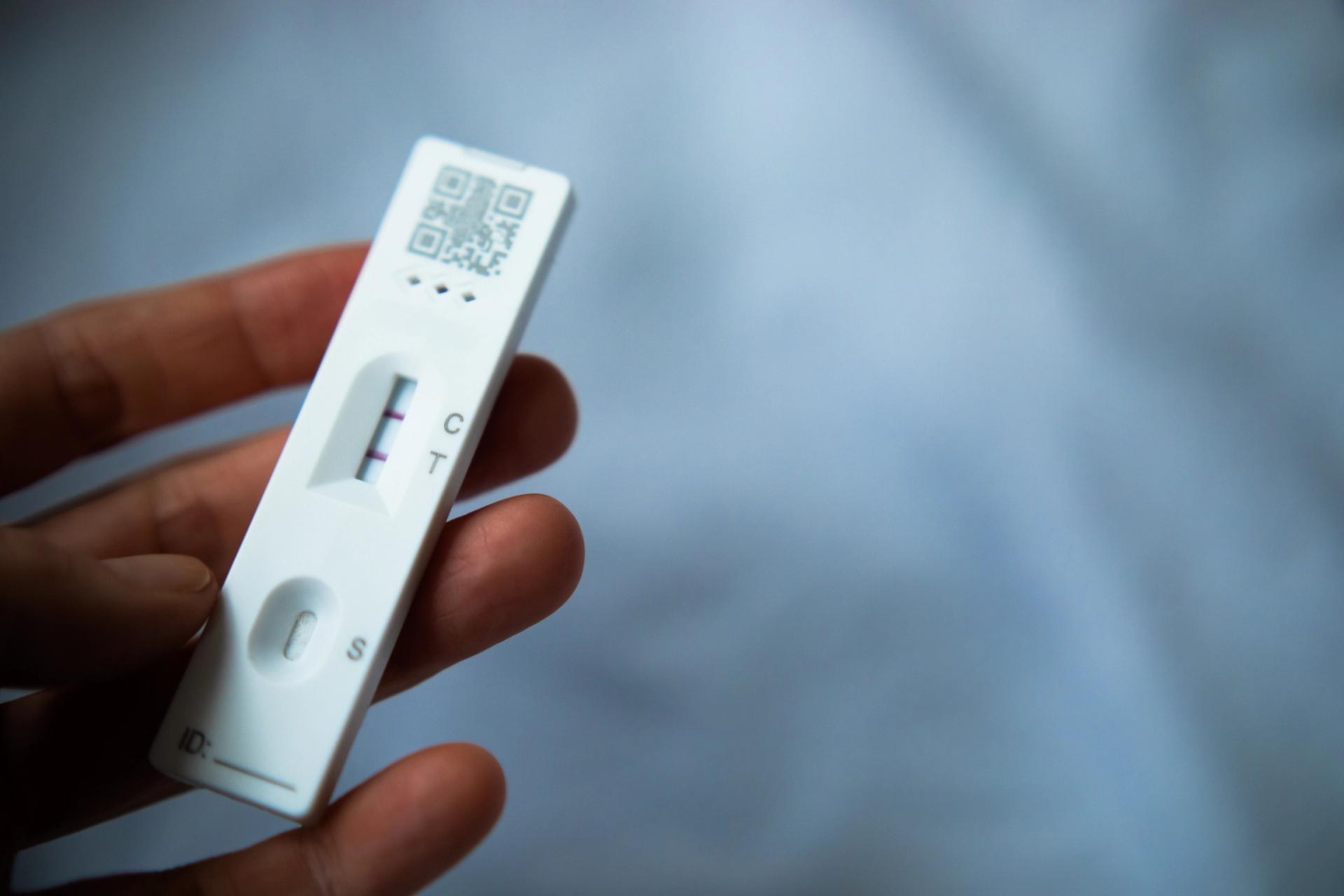
Test for JN.1 if you have a known contact with someone who’s been infected, or if you have any of the common COVID symptoms: sore throat, congestion, fatigue, muscle aches, fever, loss of taste and/or smell, cough.
If you haven’t already taken advantage of it, the federal government began offering four free at-home COVID tests in late November. If you didn’t order any in the fall, you can now request up to eight!
Treat your COVID infection by talking to a healthcare provider, and see if treatments like Paxlovid, available at many local pharmacies, could help.
Let’s keep each other safe and healthy this winter!