


Black history is American history, and though we pay special attention to the significant achievements and contributions Black Americans and people of African descent have made to this country during February, learning and honoring Black history is absolutely of year-round importance.
"Black History Month shouldn't be treated as though it is somehow separate from our collective American history,” said President Barack Obama in 2016. “It's about the lived, shared experience of all African Americans, high and low, famous and obscure, and how those experiences have shaped and challenged and ultimately strengthened America.”
History of Black History Month
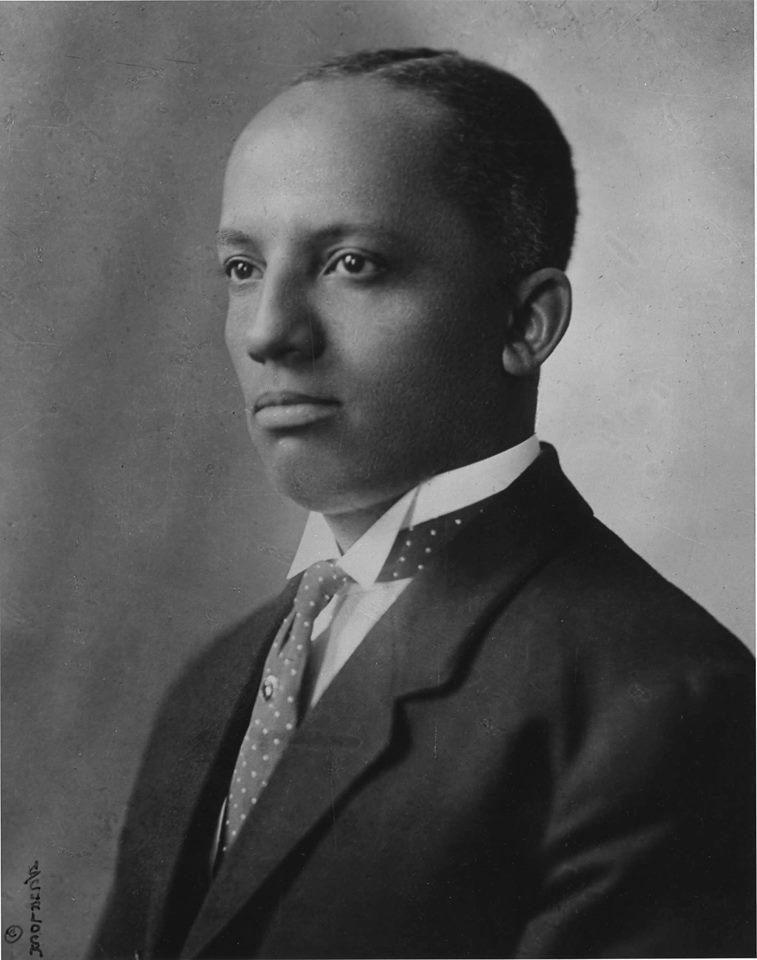
Black History Month’s roots started in 1915 — half a century after slavery was abolished — when scholar Carter G. Woodson co-founded the Association for the Study of Negro Life and History. He urged other Black scholars and civic organizations to promote their community’s achievements, and out of that motivation the Association sponsored Negro History Week in the second week of February 1926.
By the late 1960s, Woodson’s concept was expanded into what we now recognize as Black History Month, officially recognized by President Gerald R. Ford during the 1976 bicentennial.
Why February
Woodson, considered the “father of Black history,” chose February to coincide with the birthdays of former slave and prominent abolitionist Frederick Douglass (believed to be Feb. 14) and President Abraham Lincoln (Feb. 12), who was influential in the emancipation of slaves. Woodson also chose this week out of tradition, as Black communities had already been honoring these two birthdays during the second week of the month.
This Year’s Theme
The 2024 theme is “African Americans and the Arts,” in recognition of the paramount influence of Black artists, artworks, and movements, and to highlight “the richness of the past and present with an eye towards what the rest of the 21st century will bring,” according to the Association for the Study of African American Life and History.
Ways to Honor Black History Month in Philly
🏛️ Visit a Museum
Philly has multiple museums that document and preserve different facets of Black history and culture. They include (but aren’t limited to):
- The African American Museum in Philadelphia, located near Chinatown, exhibits the “achievements and aspirations of African Americans from pre-colonial times to the current day” and has some special programming throughout the month.
- The Colored Girls Museum in Germantown “honors the stories, experiences and history of ordinary Colored Girls,” according to its website. (You’ll have to wait until next month to visit, though — February tickets appear to be sold out.)
- The Paul Robeson House and Museum in West Philly celebrates the life of the singer/athlete/activist/Philly native.
- The Lest We Forget Museum of Slavery in Germantown, which houses a private collection of artifacts related to slavery, aims to provide “a better understanding of the pain and suffering endured by kidnapped Africans brought to America and other parts of the world and held in bondage for hundreds of years.”
🎵 Celebrate Black Artists and Art
- Hear a tribute to some of the past century’s foremost Black musicians at Lemon Hill Mansion in Fairmount Park. (Feb. 17, 1-4 p.m., free with RSVP)
- Check out the “50 Years of Hip Hop” programming at the National Liberty Museum’s “Amplified: Art, Music, Power” exhibit. (Feb. 17, 10 a.m.–5 p.m., $12)
- Take in Alvin Ailey American Dance Theater’s “Revelations” — “a thrilling exaltation of African-American cultural heritage set to spirituals, song-sermons, gospel and holy blues” — at the Academy of Music. (Feb. 23-25, tickets start at $29)
- Take a “Black Art, Black Voices” tour at the Philadelphia Museum of Art spotlighting Black artists’ contributions. (2-3 p.m. daily throughout February, included in museum admission)
📚 Check Out the Free Library’s Programming
Philly’s public libraries are chock full of Black History programming this month, from author events at Parkway Central to neighborhood branch happenings centered around music, gardening, trivia, movie screenings, and more.
🚶 Take a Walking Tour
Experience local Black history on foot through a guided or self-guided walking tour. We’ve got a list for you with a few different options here.




,_Carter_G._Woodson_Home_National_Historic_Site,_1915._(18f7565bf62142c0ad7fff83701ca5f6).jpg?uselang=en#Licensing)