It’s springtime! Well, not yet. But you might get that impression if you step inside the Pennsylvania Convention Center this weekend, when the annual Philadelphia Flower Show kicks off.
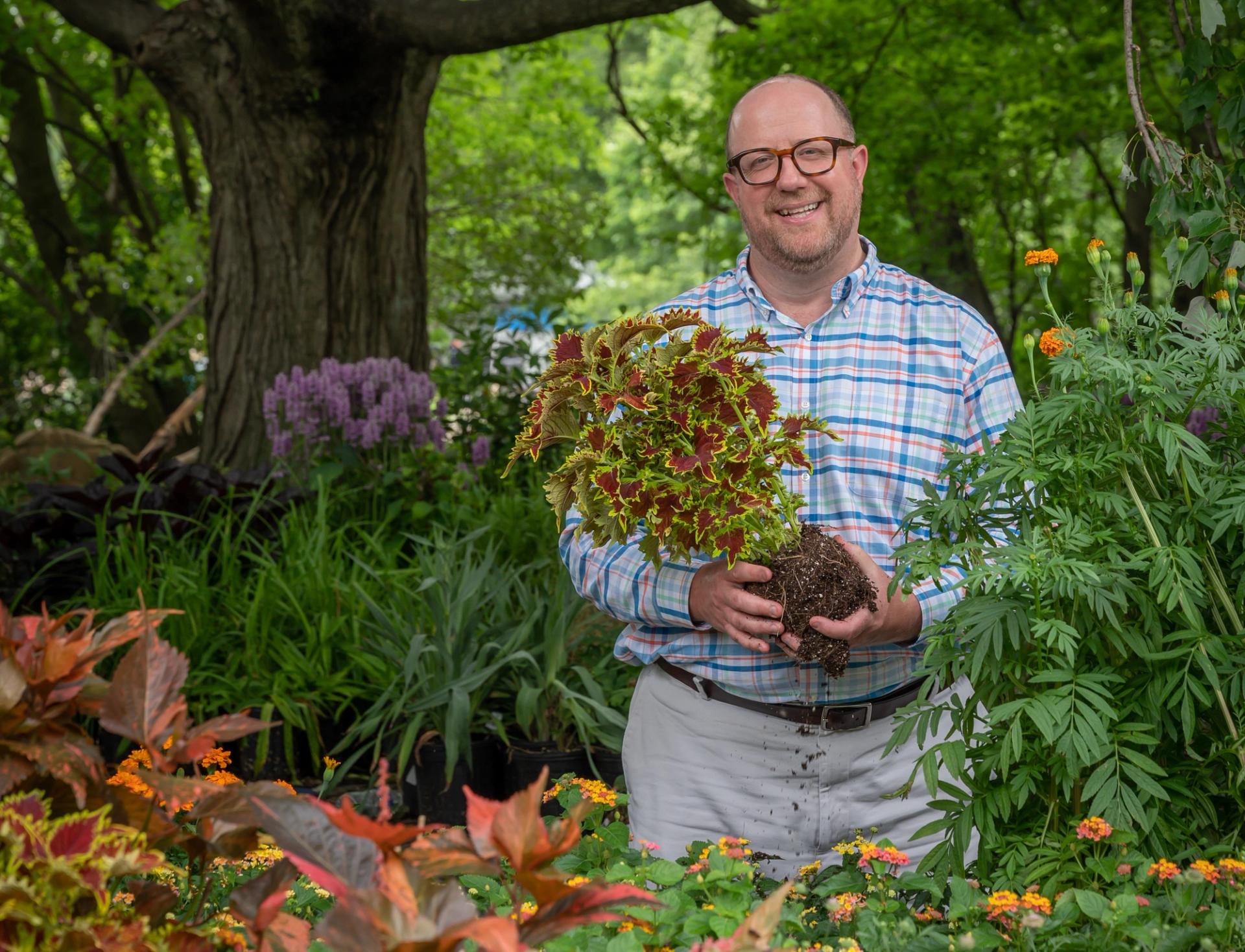
It’s a huge fundraiser for the Pennsylvania Horticultural Society that takes 3,000 people to put together, according to Matt Rader, president of the organization. The show first got its start in 1829, and it’s now regarded as the oldest and largest indoor flower show in the world. It’s also a big tourism driver for the city, drawing plant enthusiasts to Philly from all over the globe.
Hey Philly spoke with Rader to ask him a few questions about the Flower Show, its history, and its impact.
This conversation has been edited for length and clarity.
What do you think that the Flower Show today has in common with the Flower Show back when it first started? What would you say is most different?
Individuals, today and in 1829, all over the city and region use the show as a reason to try new horticultural feats: grow something new, grow it better, make it bloom out of season — all in the interest of showing it to the public and competing. The PHS Hamilton Horticourt, which is the largest indoor plant competition in the world, is basically what you would have experienced at the 1829 show.
So many things have changed. The most notable is scale. The show in 1829 was short, [and] it was [held] at 9th and Chestnut in a small venue. Today, [it] is the largest indoor show in the world, and more than 250,000 people will come over nine days.
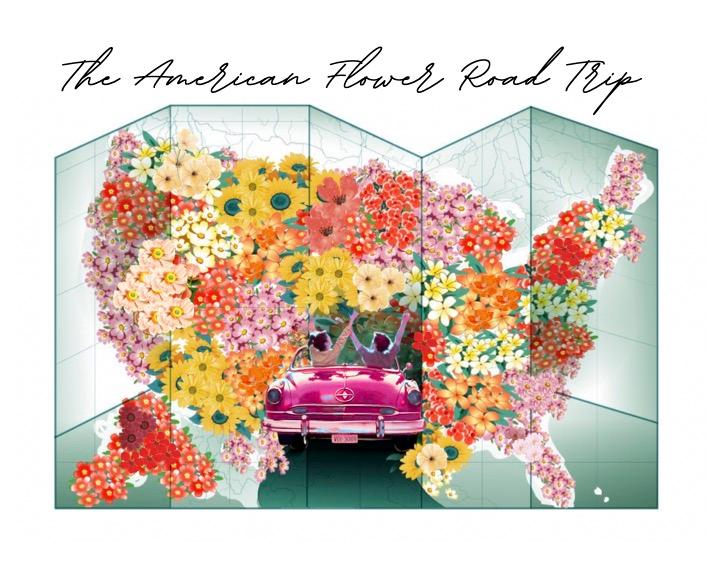
A rendering of “Flower Road Trip” by Jennifer Reed, a New Jersey-based floral designer. The piece, which aims to show how the country is connected by flowers, will be exhibited at the Flower Show. (Courtesy of the Pennsylvania Horticultural Society)
This is the Horticultural Society’s big, signature event. What makes it important to the organization?
It, for us, is our biggest awareness builder and fundraiser of the year. All of the money that we raise for the show, we reinvest in neighborhoods in the city and across the region.
We work in 250 neighborhoods, planting trees, cleaning and greening vacant lots, training people for green jobs, and gardening parks and public spaces. So, if you're somebody who loves a day out amid the beauty of horticulture — the Flower Show’s for you. And if you're somebody who wants to help support a greener, cleaner, more equitable city and region, the Flower Show is also for you.
What’s your personal favorite part of the Flower Show?
Before the show opens to the public, the last three or four days of [the] build are this incredible hive of activity with people creating their displays and entering plants. It's like being in the most magnificent beehive of creativity you could imagine, with people from so many different walks of life, all different parts of the country and beyond, coming together.
🌷The Philadelphia Flower Show runs March 2–10. Ticket prices range from $30–$50 for adults, depending on the day of week and time of day you visit.