Philadelphian Walter Ogrod spent nearly three decades in prison — mostly on death row — trying to prove his innocence after he was convicted of the 1988 killing of 4-year-old Barbara Jean Horn.
His conviction was finally overturned in 2020, after the Philadelphia District Attorney’s Office reviewed the case and determined the past evidence against him was flawed. Last year, the City settled Ogrod’s subsequent civil rights lawsuit for $9.1 million. And he isn’t alone — more than 40 convictions built on bad evidence in Philly have been overturned since 2016, according to the DA’s office.
City Cast Philly spoke with Joseph Marrone, Ogrod’s attorney in the civil rights suit, about this case and the broader impact of wrongful convictions.
How was it discovered that the evidence that was presented in [Ogrod’s] case was flawed?
He filed petition after petition. I think he even broke a typewriter. He did so many things to get people involved to help him prove his innocence.
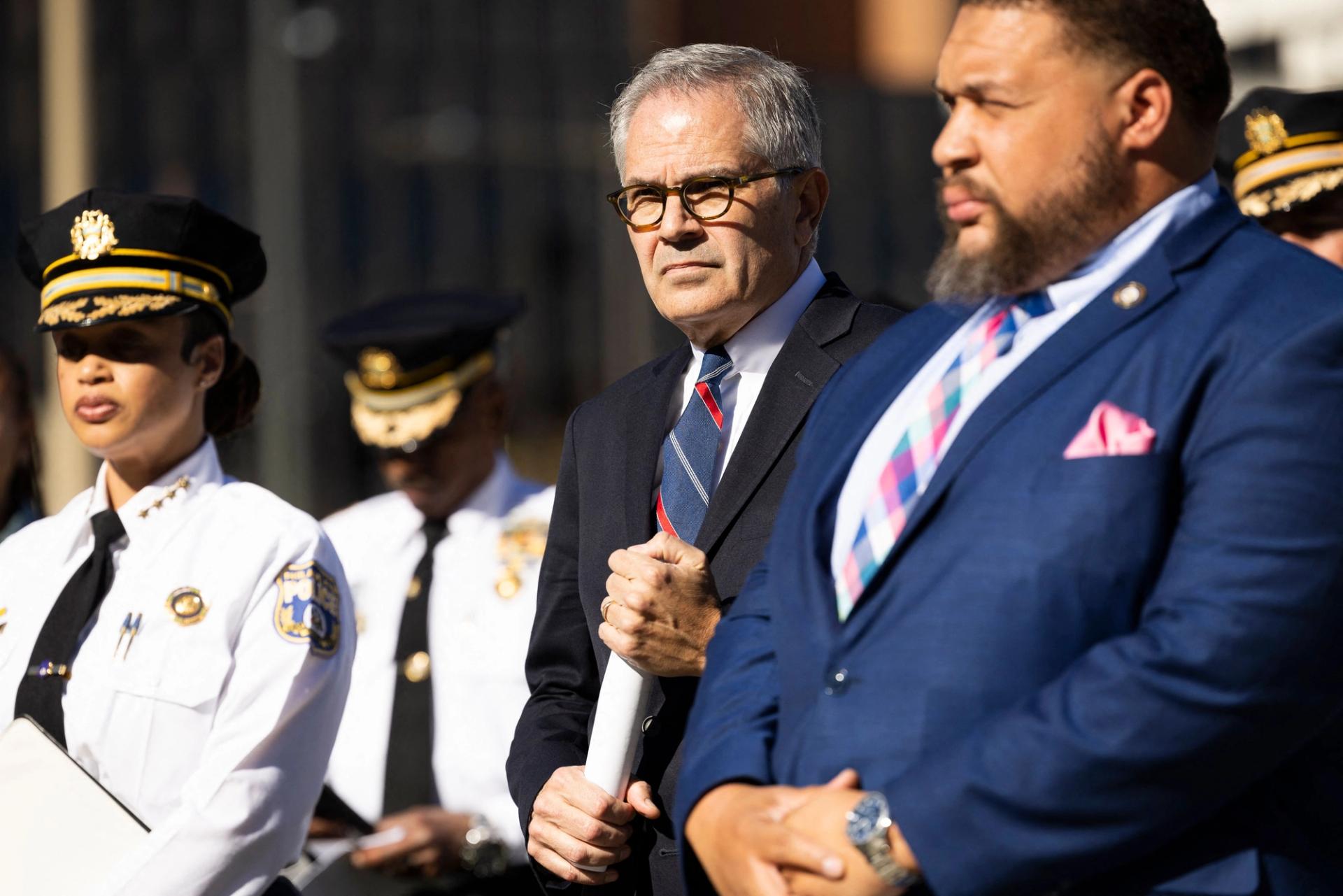
What really changed everything was [District Attorney] Larry Krasner and the [Conviction Integrity Unit] in the DA's office. It's a unit that Larry Krasner formed to help innocent defendants get their cases reviewed and hopefully overturned. And thankfully, Walter's case became the forefront of that office.
How is Walter rebuilding his life back after all of this?
The best he can do is try to move forward. You Google his name, you find out about his history. It’s really tough to convince people sometimes that you are innocent in the real world, in the workforce. It's almost like a level of leprosy that he has.
But through the success of his lawsuit and getting the financial support that he needs, he can at least try to have some kind of economic stability to try to live his life.
How common is it for people to get a settlement from the city?
It's not that common. In the last six years or so, Larry Krasner through the Conviction Integrity Unit has been able to expose a lot of [bad] detectives and prosecutors, [and] he's allowing a lot of defendants to get new information on their cases.
A small percentage succeed, but when somebody does get through that process, and if they can get their conviction vacated, then they have the basis of a civil rights lawsuit.
That case, again, is not an easy task, but at least it gives this person who's wrongfully convicted a shot to get some compensation for the time they lost. It doesn't bring the years back, but it gives them a starting point, because they have nothing.
This conversation has been condensed for space and clarity.