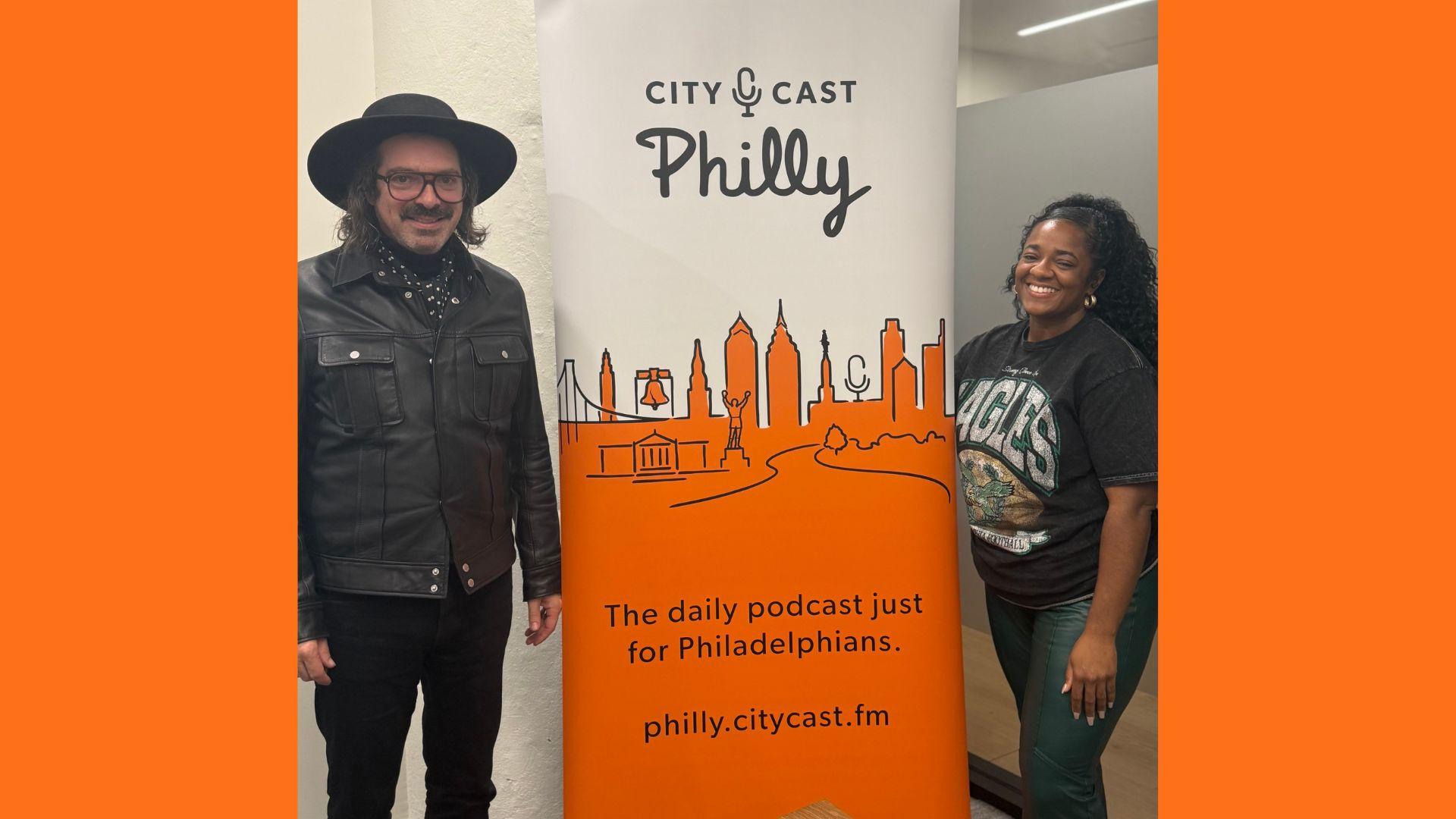
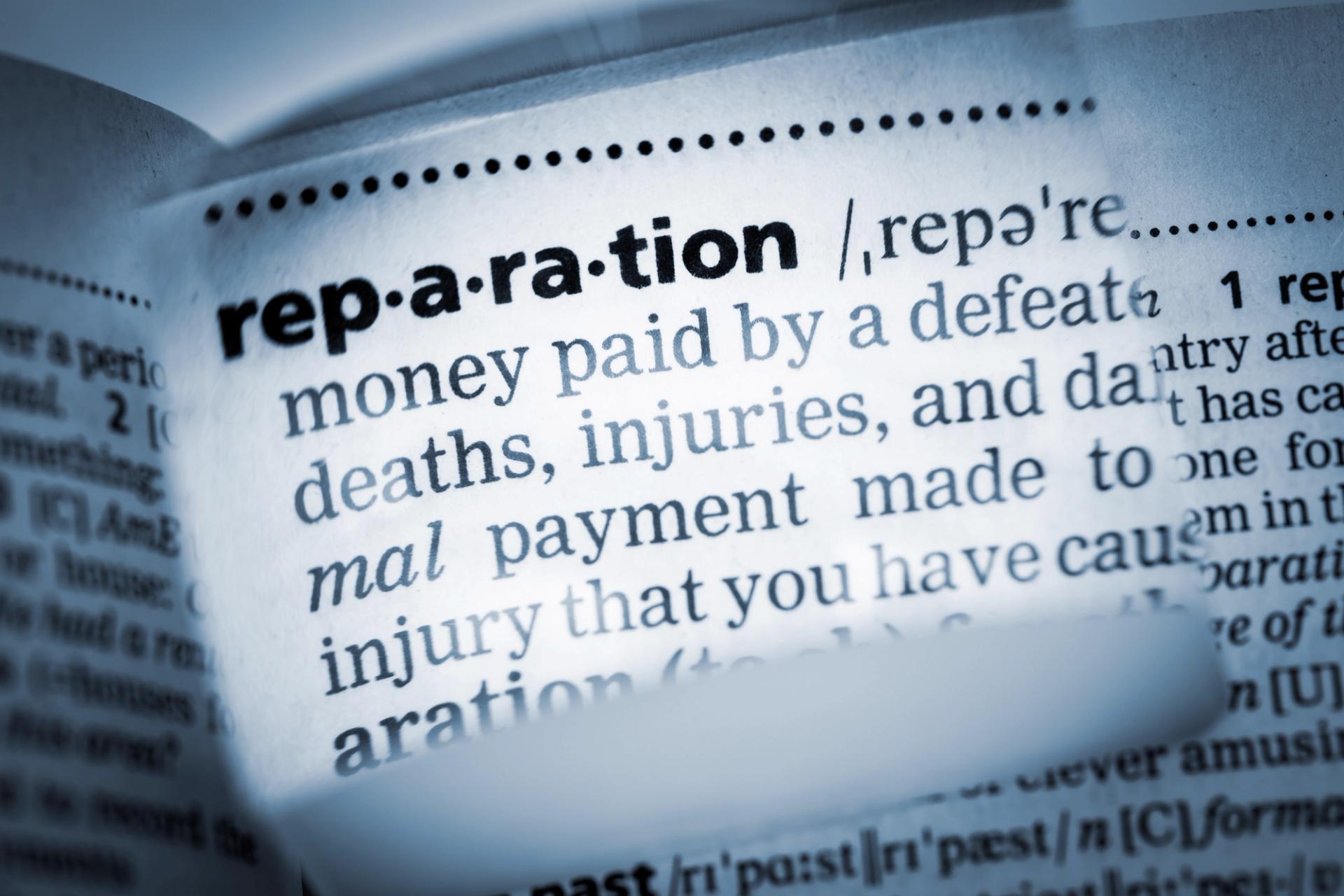
Philly will begin developing proposals for reparations next year, and is asking Black Philadelphians to get involved. Rashaun Williams and Breanna Moore, co-chairs of the Philadelphia Reparations Task Force and the Philadelphia chapter of the National Coalition of Blacks for Reparations in America (N’COBRA PHL), recently spoke on the City Cast Philly podcast about what this process could mean for the city’s Black community.
Can you explain how your group defines reparations?
Rashaun Williams: The root word of ‘reparations’ is repair. And so we see the need to make repairs to our education system, to our environmental ecologies, to our economic sectors, to our family structures. And, of course, folks know reparations to mean financial or cash payout to a group that has been harmed.
Breanna Moore: N’COBRA works within the framework of five injuries of slavery, and each of those injuries need repair for Black Americans under this reparations framework. Those five injury areas are: peoplehood and nationhood; education; health; criminal/legal justice; and wealth/poverty or economics. All of these areas are actually going to be covered in the Philadelphia Reparations Task Force as five of the eight open positions that Black Philadelphians can apply to.
Let's talk about the development of the task force. What are the goals of the group?
Rashaun Williams: What we want to do is make sure that we can walk away with three very tangible things. One of those things is a report on the forms that reparations can and should take to make amends and atone for the legacy of slavery. Number two is to provide Black Philadelphians with a guide on how reparations can actually help them … Number three is to actually build a Black community infrastructure so that if and when any form of reparations or reparative action comes to the Black community, Black folks are able to utilize Black doctors and Black contractors and Black educators and Black farmers for their business and affairs.
Who should apply to the task force?
Breanna Moore: People who should apply are people who have experience in these [five injury] areas and people who are passionate about helping our people. You don't have to have a PhD. We need you to be about the people and be about our ancestors, be about our future children.
Responses have been condensed and lightly edited for clarity.